
The mystery of the forbidden fruit.

For love, for life, for social comment.

By Ruth Finnegan.
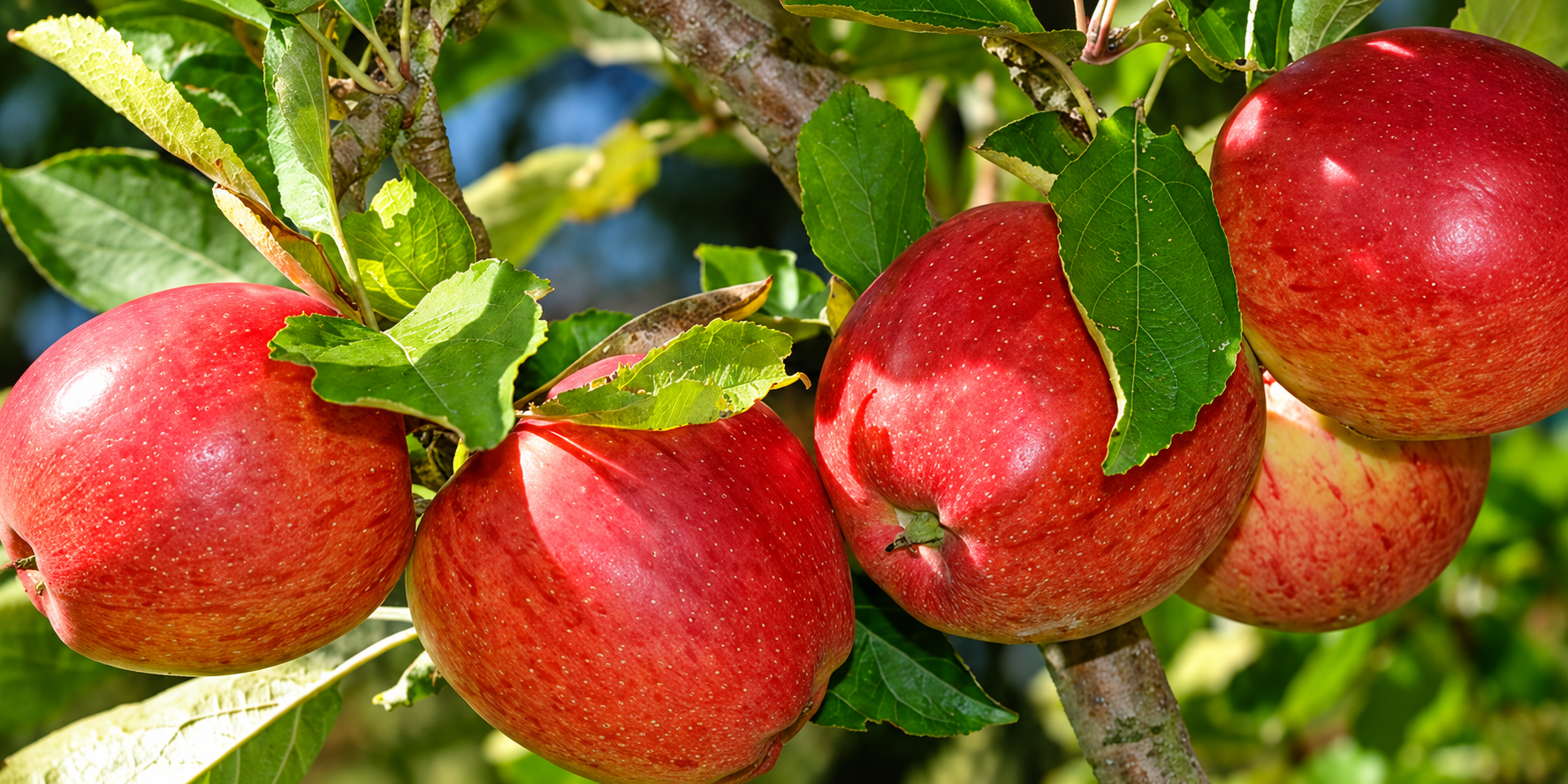
Apples on the tree.
It grew in profusion, so the tale goes, in the Garden of Eden. In the beginning, Genesis has it, God said "I have given you the seed-bearing plants throughout the earth and all the fruit trees for your food". Humans have certainly made much of this gift for throughout history we have fed largely on fruit.
In the Abrahamic accounts Adam and Eve, the first people on earth, lived in the abundance of the Garden. The fruit of only one tree was forbidden. A snake tempts Eve to pluck the fruit, she does so and gives it to Adam: the temptation to eat it overcomes them and they are expelled from Eden. Now, the story emphasises, we every day experience the dire consequences of that expulsion from fruit-filled paradise.
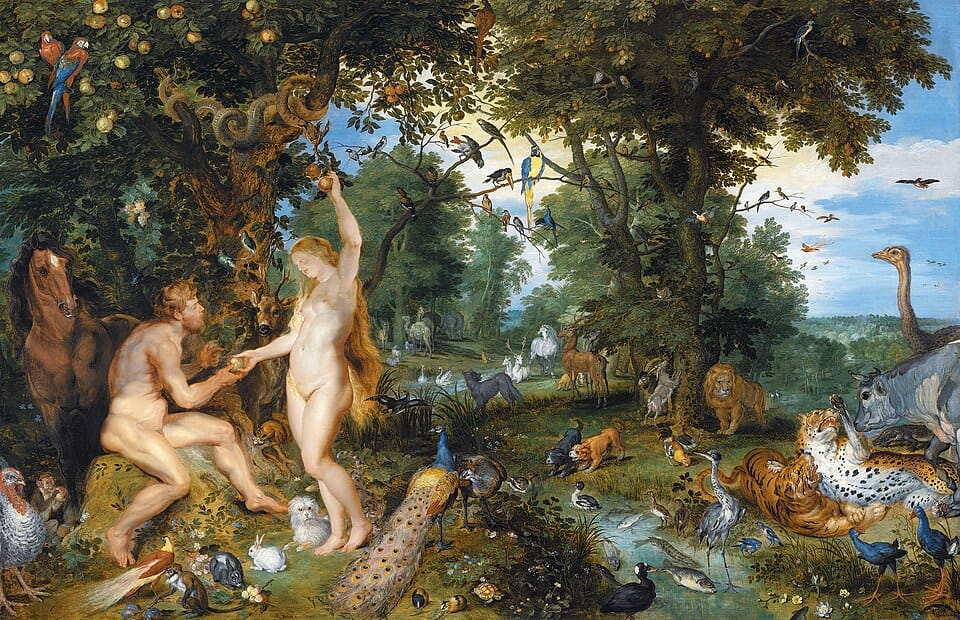
So it would seem to make sense to start from the apple that tempted our first forbears.
All that is well known. Except that - the Bible doesn't say "apple". It speaks merely of "fruit" and there is now a debate over what the fruit "really" was - fig, grape, pomegranate, pear, quince?
Some modern scholars agree.
How, then, did the "fruit" come to be so widely taken to be an apple? It may have been because in Latin the words for "evil" and for "apple" (malus) are the same, or that in Old French pom meant both apple and fruit in general, so that "Adam and Eve ate a pom [a fruit]" was easily interpreted as "they ate an apple".
Whatever the reason, the apple is now a stock part of the story. That it is a somehow iconic fruit added a kind of glow to our small struggling apple orchard - a something not wholly of this world.
I’d love to hear from you
What do you make of the story? Perhaps it brings back a memory of your own. Do reply to this email with your thoughts, questions or stories. I would love to read them.